Understanding Public Transport Across the UAE
Public transportation plays an important role in the everyday life of the United Arab Emirates. Across its cities and communities, transport networks connect residential districts, business areas, educational institutions, shopping destinations, and cultural attractions. As urban populations grow and cities continue to develop, public transport provides an important way to understand how people move through shared spaces. Each journey reflects a combination of infrastructure, planning, technology, and individual travel habits.
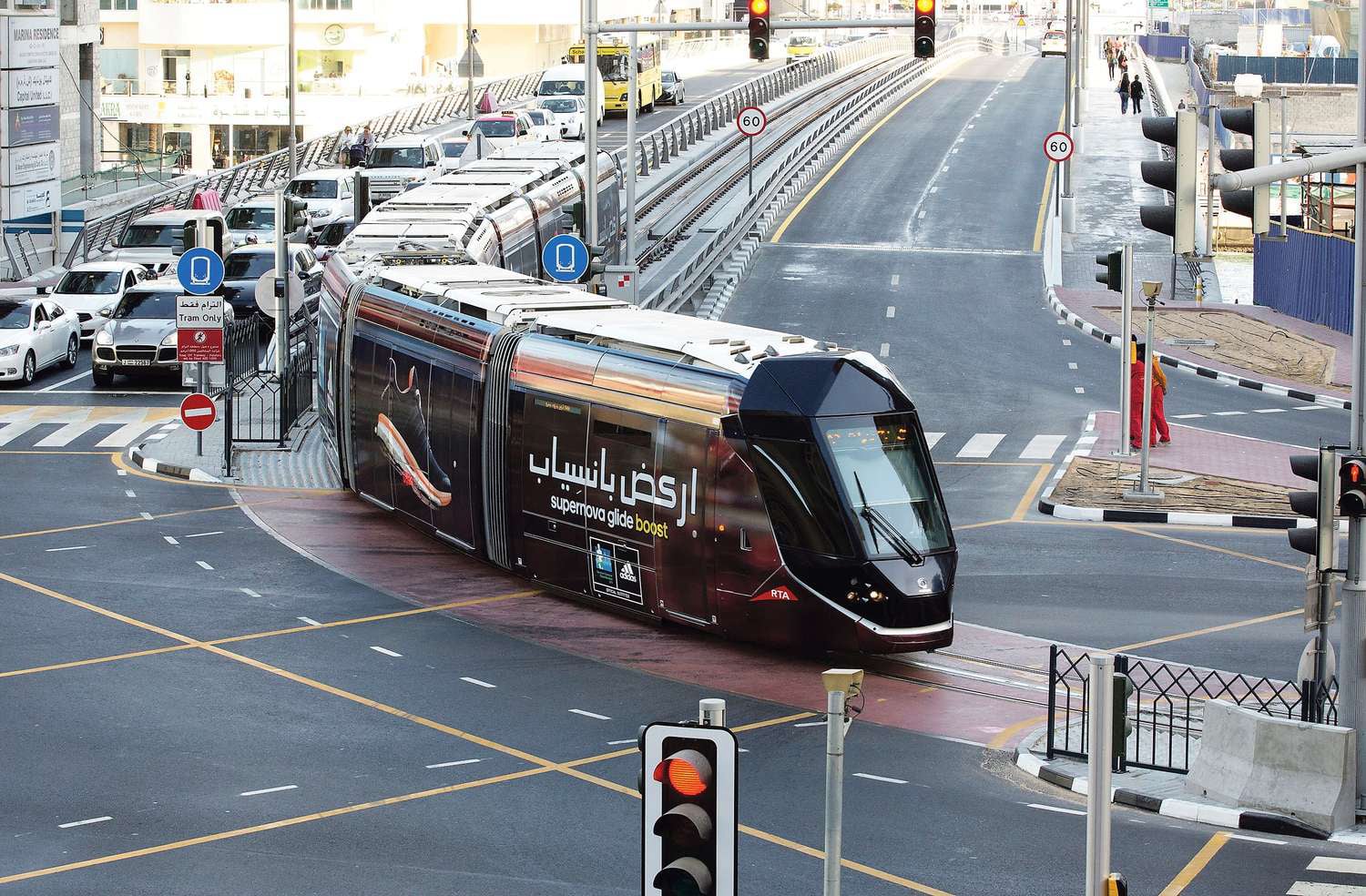
The UAE has developed different forms of public transportation to meet the needs of its varied urban environments. In Dubai, the metro, public buses, trams, and marine transport form part of a wider network that supports movement across the city. Abu Dhabi also has public bus services connecting numerous districts and destinations, while other emirates have their own transport arrangements. The availability and structure of these systems depend on local geography, population patterns, and ongoing infrastructure development. Together, they demonstrate how transportation can adapt to the changing needs of modern communities.
For residents and visitors, understanding public transport begins with recognizing that different modes of travel serve different purposes. Metro systems can provide connections between major urban areas, while buses help link neighbourhoods and destinations that may not be close to railway stations. Marine transport offers another perspective on mobility in locations where waterways are part of the urban landscape. The most suitable option for a particular journey depends on the destination, available routes, operating schedules, and personal preferences. Checking current information before travelling can help people develop realistic expectations and prepare for changes.
Payment systems are another important part of the public transport experience. In Dubai, the nol card is widely associated with accessing participating public transport services. It forms part of a broader system designed to make travel payments more convenient and consistent. Understanding how a transport card works, where it is accepted, and how its balance is managed can help passengers become more familiar with everyday travel routines. People researching nol card recharge may also encounter different descriptions of card-related procedures, making it useful to distinguish general explanations from current official instructions.
Search terms such as rta top up reflect the way passengers look for information about maintaining a usable travel card. Other searches, including nol card to up, may appear when people are trying to understand the terminology used in online guides or everyday discussions. Although these expressions may refer to similar questions, the precise steps, available channels, and applicable conditions should always be confirmed through official transport information. Clear terminology matters because small misunderstandings can create unnecessary uncertainty when preparing for a journey.
Public transport also influences the rhythm of daily life. Commuters often organize their mornings around departure times, while students may depend on predictable connections between home and educational facilities. Visitors use transport networks to explore unfamiliar districts and discover places beyond their immediate surroundings. In busy urban areas, shared transport can provide an alternative to travelling by private car, although journey times and convenience vary depending on distance, traffic conditions, and service availability. Understanding these differences helps people make informed decisions that suit their individual circumstances.
Accessibility and passenger awareness are equally important elements of a functioning transport environment. Clear signs, understandable announcements, organized stations, and reliable public information can help passengers navigate unfamiliar routes. People travelling with children, older passengers, and individuals with different mobility requirements may have additional considerations when planning a journey. The quality of the travel experience depends not only on vehicles and infrastructure but also on how easily people can understand and use the available systems.
Technology continues to influence the way passengers interact with transportation. Digital maps, journey planners, electronic payment methods, and online updates have changed how people prepare for trips. Information can often be checked before leaving home, helping travellers compare routes or identify possible disruptions. Nevertheless, digital information is most useful when it is current and comes from a reliable source. Official announcements remain particularly important for changes to schedules, fares, access conditions, and payment procedures.
Transport networks also contribute to the broader development of cities. Connections between residential districts and employment centres can influence where people choose to live, study, and spend their leisure time. Well-planned infrastructure can support more coordinated urban growth and help make important destinations accessible to a wider range of people. At the same time, expanding a transport network requires long-term planning, investment, maintenance, and consideration of environmental and social needs. These factors make public transportation an ongoing part of the conversation about sustainable urban development.
Learning about public transport across the UAE therefore involves more than identifying routes or understanding payment methods. It means recognizing the relationship between infrastructure, technology, accessibility, and the daily experiences of passengers. Whether someone is exploring a new city or following familiar routines, a basic understanding of transport systems can make the urban environment easier to navigate. By approaching these subjects with curiosity and checking practical details through official sources, readers can develop a clearer picture of how mobility supports everyday life throughout the Emirates.