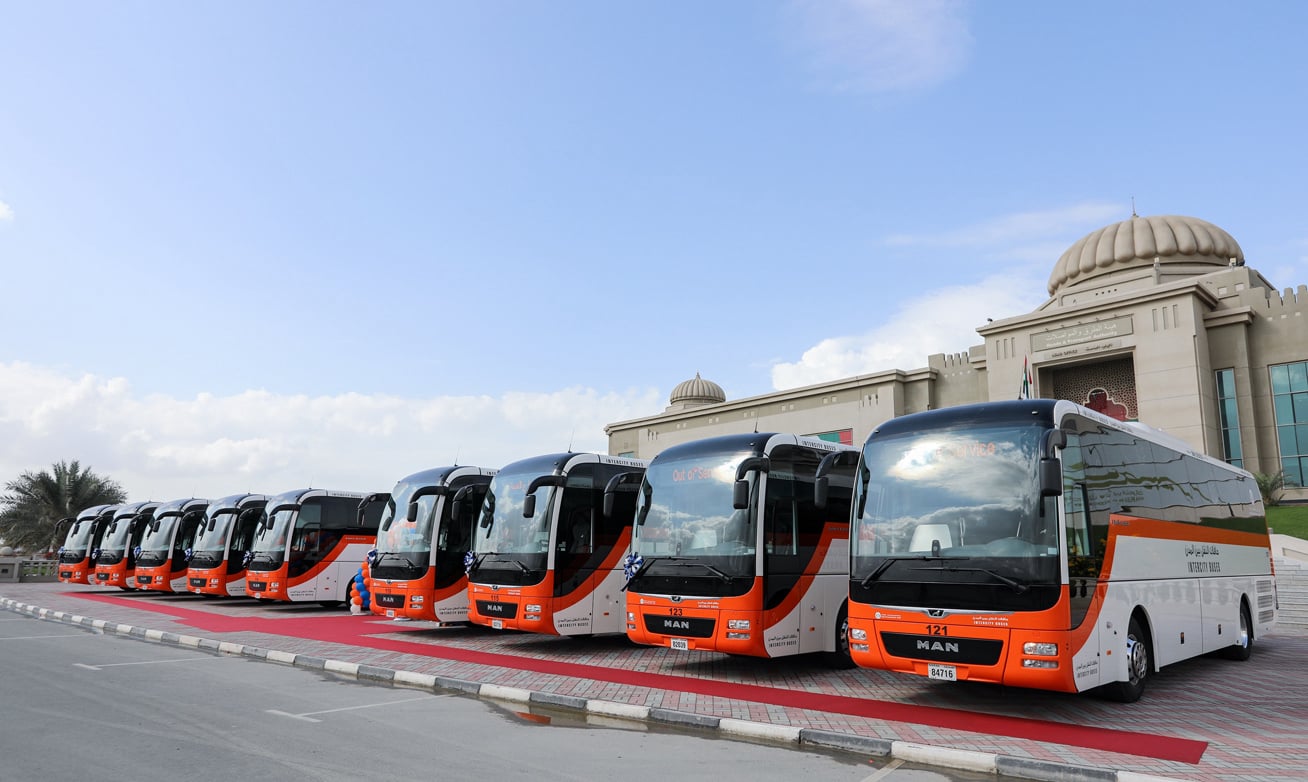
How Nol Cards Shape Daily Journeys
Public transportation is an essential part of everyday mobility in the United Arab Emirates, particularly in urban areas where residents and visitors travel between homes, workplaces, educational institutions, and leisure destinations. Alongside transport routes and stations, payment systems influence how people experience their journeys. In Dubai, the nol card is an important part of the public transport environment, connecting the practical process of paying for travel with the wider experience of moving around a busy city.
A transport card may seem like a small part of a daily routine, but it can influence how passengers prepare for their trips. Keeping a card accessible, understanding where it can be used, and checking its balance are simple habits that can help make journeys more predictable. For regular commuters, these actions often become part of the morning routine. Visitors, meanwhile, may need additional time to learn how the system works and understand which transport options are available for their intended destinations.
The nol card is associated with participating public transport services in Dubai, including the metro, buses, tram, and certain marine transport options. Its role illustrates how a shared payment system can support movement across different parts of a transport network. However, acceptance conditions and applicable rules can vary by service, so passengers should consult official information when planning a specific journey. Understanding the relationship between a travel card and the wider transport network can help newcomers become more comfortable with the city's mobility arrangements.
One familiar topic among passengers is nol card recharge. Maintaining a sufficient balance is a practical consideration for anyone who relies on a card for regular travel. The process and available methods may depend on the card type, the channel being used, and the current rules established by the relevant transport authority. Checking the balance before setting out can help passengers avoid uncertainty during a journey, particularly when travelling to an unfamiliar location or following a tight schedule.
Online searches also reflect the different ways people describe card-related tasks. The phrase rta top up may appear when someone is looking for information about adding credit to a transport card or understanding the available payment channels. Other users may search for nol card to up, using informal wording while trying to find an explanation. These variations demonstrate how people approach everyday questions in different ways. Clear, accessible information can help readers identify the subject they need and distinguish general discussions from official instructions.
The connection between payment systems and travel habits becomes particularly noticeable during busy periods. Commuters may need to consider station crowding, departure times, transfers, and the time required to reach a platform. Having a travel card ready can remove one small task from the journey, although it cannot eliminate delays or guarantee a particular travel time. A well-prepared passenger still benefits from checking service updates, allowing extra time when necessary, and understanding the route before leaving.
For visitors, learning about transport payments is often part of discovering a new city. A person arriving in Dubai may be unfamiliar with station layouts, route maps, card terminology, or the differences between transport options. Taking time to understand these details can make the first few journeys less confusing. General travel guides can provide useful background, while official transport channels remain the appropriate place to verify current fares, card conditions, and payment procedures.
Digital technology has changed the way people manage many everyday tasks, and public transport is no exception. Electronic payments and online information make it possible to research travel arrangements before reaching a station. Some passengers prefer to review their journey in advance, while others check information as their plans develop. The usefulness of these tools depends on accessibility, accuracy, and how easily the information can be understood. Technology supports the travel experience most effectively when it complements clear guidance rather than replacing the need to verify important details.
The nol card also offers a useful example of how relatively small systems contribute to the organization of a large city. A transport network depends on more than vehicles and infrastructure; it also needs practical arrangements that allow passengers to access services and complete their journeys. Payment systems form one part of this larger structure, alongside station design, service schedules, passenger information, and network planning. Considering these elements together helps explain why everyday travel is closely connected to the organization of urban life.
Responsible travel preparation includes knowing where to find reliable information. People researching rta card recharge should check the current guidance published by the relevant transport authority before following instructions found elsewhere. This is especially important when procedures, payment channels, or card conditions may change. Independent articles can explain general concepts and provide context, but they should not be treated as a substitute for official updates.
Ultimately, nol cards are more than a payment method in the daily routines of many passengers. They represent one of the practical connections between individuals and the transport systems that support urban movement. By understanding how travel cards fit into journey planning, readers can gain a broader appreciation of the details behind everyday mobility in the UAE. Small habits, accurate information, and familiarity with public transport arrangements all contribute to a more informed and confident approach to exploring the city.