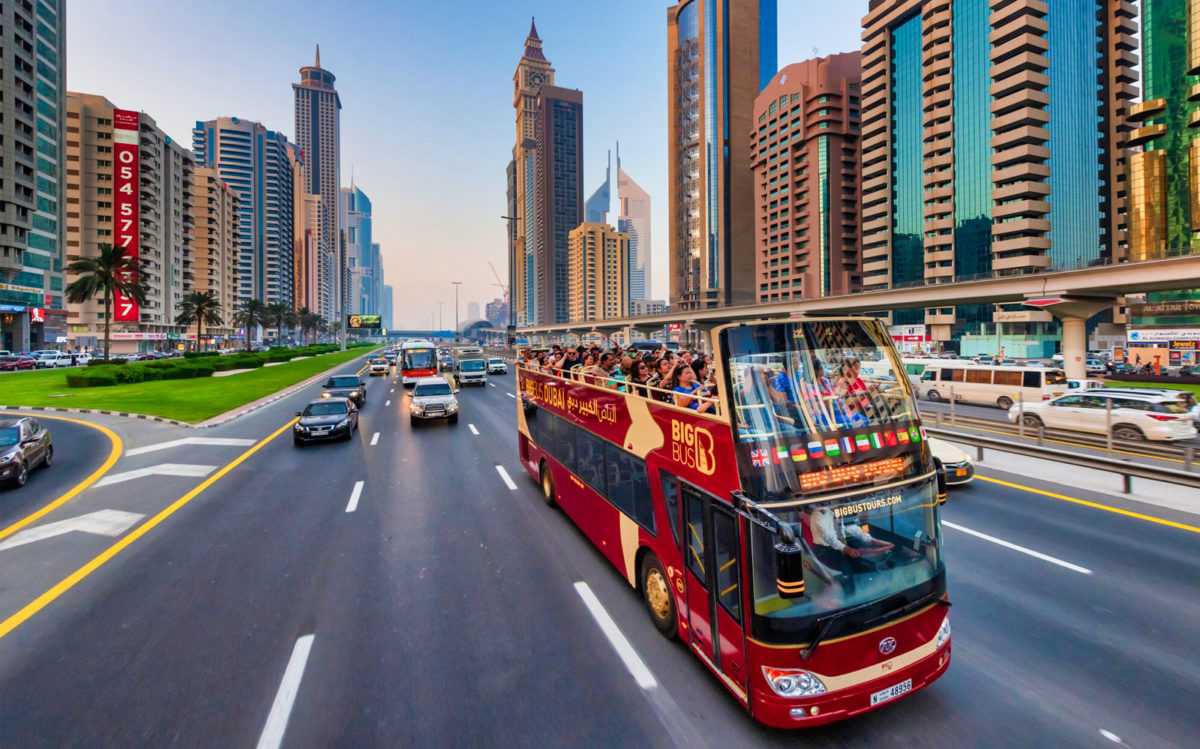
Exploring Dubai’s Connected Transport Network
Dubai is a city shaped by movement. Its residential communities, commercial districts, cultural attractions, and waterfront areas are spread across a wide urban landscape, making transportation an important part of everyday life. The city's public transport network helps connect these places and offers residents and visitors different ways to move between destinations. Understanding how these connections work provides a useful perspective on Dubai's development and the routines of the people who live, work, and travel there.
The Dubai Metro is one of the most recognizable elements of the city's transport infrastructure. Its rail lines connect numerous neighbourhoods and major destinations, providing an alternative to road travel along busy urban corridors. Stations serve as important access points for commuters, students, and visitors, while connections with other transport options can help passengers continue their journeys beyond the metro network. For people unfamiliar with the city, learning how stations relate to nearby districts is often a useful first step in understanding local mobility.
Public buses complement the metro by connecting areas that may be farther from railway stations. They serve a variety of neighbourhoods and provide links between residential streets, commercial zones, and other transport facilities. Depending on the destination, a bus journey may offer a more direct connection than travelling by rail alone. Passengers planning a trip should consider route availability, operating schedules, transfer points, and the time needed to reach a stop. Current route information is especially important because service arrangements can change.
The Dubai Tram adds another dimension to the city's connected transport environment. It serves selected areas and links with parts of the wider network, supporting movement within particular urban districts. Marine transport also contributes to mobility in locations where waterways form part of the city's geography. These different modes illustrate how a transport system can respond to the varied needs of a large metropolitan area. Each option has its own operating conditions, and the most appropriate choice depends on the journey being planned.
Payment arrangements are another part of the network that passengers need to understand. The nol card is used across participating public transport services in Dubai, helping connect the experience of travelling by different modes. Knowing where a card is accepted and understanding the relevant travel conditions can make planning more straightforward. Passengers may also need to check their available balance before travelling. Information about nol card recharge is therefore closely connected to the wider process of preparing for a journey rather than being an isolated transport topic.
People researching payment options may encounter expressions such as rta top up while looking for information about adding credit to a travel card. Others may use the phrase nol card to up when searching online. These variations reflect the everyday language people use to find explanations, particularly when they are new to a transport system. However, search wording alone does not confirm which procedure applies to a particular card. For accurate information about available methods, requirements, or current conditions, passengers should consult official Roads and Transport Authority resources.
The strength of a connected transport network depends on more than the number of routes available. Interchanges, station locations, passenger information, and the relationship between different services all influence how easily people can complete a journey. A route that appears straightforward on a map may require additional walking or a transfer between transport modes. Understanding these practical details helps passengers develop realistic expectations and choose arrangements that suit their destinations, schedules, and individual needs.
Digital tools have become an important part of navigating modern transport networks. Online maps and journey planners can help users compare possible routes, identify stations, and estimate how different connections fit together. Service announcements can also provide information about disruptions or changes that may affect travel. These tools are most useful when information is current and clearly presented. Checking official updates before departure can help passengers respond to unexpected circumstances and avoid relying on outdated details.
Accessibility is another important consideration in the design and use of public transportation. Clear signage, understandable announcements, accessible facilities, and well-organized passenger areas can make the network easier to navigate. Different passengers have different requirements, including families travelling with children, older people, visitors unfamiliar with local arrangements, and people with mobility limitations. An effective transport environment must consider these differences while maintaining clear information about the facilities and conditions available at individual stations or stops.
Dubai's transport network also reflects the broader relationship between infrastructure and urban development. Transport connections can influence how people reach employment centres, educational institutions, shopping areas, and places of recreation. As communities develop, mobility planning becomes part of the conversation about accessibility, efficient land use, and the quality of urban life. Public transportation provides one way to examine how a growing city manages the movement of people while responding to changing patterns of daily activity.
For regular commuters, the network may become a familiar part of the day, while visitors often experience it as a guide to discovering the city. In both cases, preparation and reliable information remain valuable. Checking a route, understanding payment arrangements, and allowing enough time for transfers can reduce uncertainty. When researching rta card recharge, travellers should similarly distinguish general explanations from current official instructions, particularly if they need to confirm a specific payment procedure.
Exploring Dubai's connected transport network reveals how many separate elements contribute to an ordinary journey. Railways, buses, trams, marine services, payment systems, digital information, and passenger facilities all play different roles within the wider structure. Learning about these connections helps readers understand not only how to move between destinations but also how transport supports the everyday functioning of the city. Through a broader awareness of these systems, residents and visitors can develop a clearer picture of Dubai's evolving urban landscape.