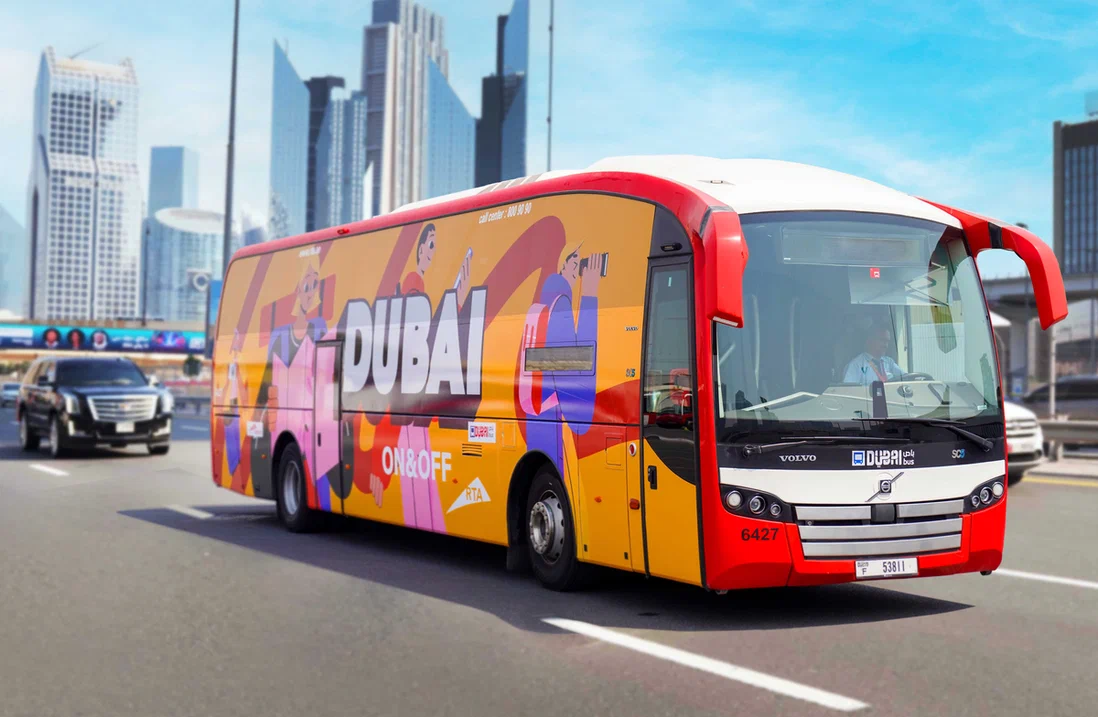
Digital Payments and Modern Urban Mobility
Digital technology has become an increasingly visible part of everyday transportation. Across the United Arab Emirates, modern cities rely on interconnected systems that help people plan journeys, navigate public spaces, and manage travel payments. These developments reflect a broader shift towards digital convenience, where information and payment tools are integrated into ordinary activities. Understanding this relationship offers an interesting perspective on how urban mobility continues to evolve and how passengers interact with the infrastructure around them.
In a busy city such as Dubai, public transportation involves more than reaching a station and boarding a vehicle. Passengers may need to compare routes, check departure times, identify transfer points, and understand the payment arrangements associated with different services. Digital information can bring these details together, helping people prepare before leaving home or make decisions while travelling. However, the usefulness of any digital tool depends on the accuracy of its information, the clarity of its presentation, and how easily passengers can access it when needed.
Electronic transport cards are one example of how digital systems have become part of daily mobility. The nol card is associated with participating public transport services in Dubai and provides a common method of payment across several transport options. For many passengers, using a card becomes a familiar routine that requires little thought once they understand the basic arrangements. For newcomers, however, learning about card types, acceptance conditions, and balance management may be an important part of becoming comfortable with the city's transport network.
Maintaining an adequate balance is one of the practical considerations associated with regular travel. The subject of nol card recharge illustrates how payment management and journey preparation are connected. Passengers may prefer to check their balance before travelling, particularly when they have several destinations to reach or need to follow a specific schedule. Understanding the available procedures can help reduce uncertainty, although the applicable methods and conditions should always be confirmed through current official information.
Online searches also show how people use different expressions when looking for guidance. The phrase rta top up may appear in searches related to adding credit to a transport card or understanding payment options. Some users may also enter nol card to up when attempting to find the same type of information. Such variations are common in digital environments, where people often rely on familiar words rather than official terminology. Clear explanations can help readers understand the subject, but search results should not automatically be treated as authoritative instructions.
Digital payments can contribute to a smoother travel experience by reducing the need to handle cash for every journey. A reusable payment method may also help passengers become familiar with the procedures associated with public transportation. Nevertheless, convenience is only one aspect of an effective payment system. Reliability, security, accessibility, and clear communication are equally important. People should understand how their payment method works, what conditions apply, and where to find assistance if something does not operate as expected.
The growth of digital mobility has also changed the way people access travel information. Journey planners and mapping applications can help passengers explore possible connections, while online announcements may provide updates about service changes. These tools can be particularly useful for visitors who are unfamiliar with local routes or residents travelling to a new destination. Even so, digital information may occasionally be delayed or incomplete. Checking official transport channels remains an important habit when decisions depend on current schedules, fares, service availability, or payment requirements.
Another important consideration is accessibility. Not every passenger has the same level of familiarity with smartphones, online platforms, or electronic payment systems. Some people may have limited internet access, prefer printed information, or require additional assistance when navigating a transport network. A well-designed digital environment should therefore support different abilities and levels of technical experience. Clear language, straightforward instructions, and alternative ways of accessing essential information can help make modern mobility more inclusive.
Privacy and responsible technology use are also relevant to the discussion of digital payments. Passengers should understand the basic terms associated with the tools they use and take reasonable care when accessing accounts or entering payment information online. It is important to distinguish official websites and applications from unrelated pages that may use similar terminology. When researching rta card recharge, for example, readers should verify that the information comes from a trustworthy source before following instructions or sharing personal details.
Digital systems also influence the wider organization of urban transport. Electronic payment information and other operational data can contribute to understanding patterns of demand, although the collection and use of such information require appropriate safeguards. Better knowledge of passenger movement may help transport planners evaluate service needs and consider future improvements. Technology alone cannot solve every mobility challenge, but it can support decision-making when combined with thoughtful planning, reliable infrastructure, and attention to the needs of different communities.
The relationship between digital payments and public transportation will continue to develop as cities respond to new technologies and changing travel habits. For passengers, the most useful approach is to remain informed without assuming that every online explanation is current or complete. Understanding how a travel card fits into the transport system, checking relevant information before departure, and recognizing the importance of official guidance can make everyday decisions more straightforward.
Ultimately, digital mobility is not simply about replacing traditional payment methods with electronic alternatives. It is about creating connections between information, infrastructure, and the people who use public transport. The nol card provides one example of how payment arrangements form part of a wider urban experience. By examining these systems in context, readers can better understand the practical and technological factors that shape transportation across the United Arab Emirates.